Inquire Now
Hoag Precision Medicine Program
Hoag Family Cancer Institute
- About
- High Risk Patients
- Pharmacogenetics
- Research
- Tumor Profiling
- Meet the Team
- Glossary of Terms
Meet Hoag's Precision Medicine Team
Program Director, Hoag Precision Medicine Program
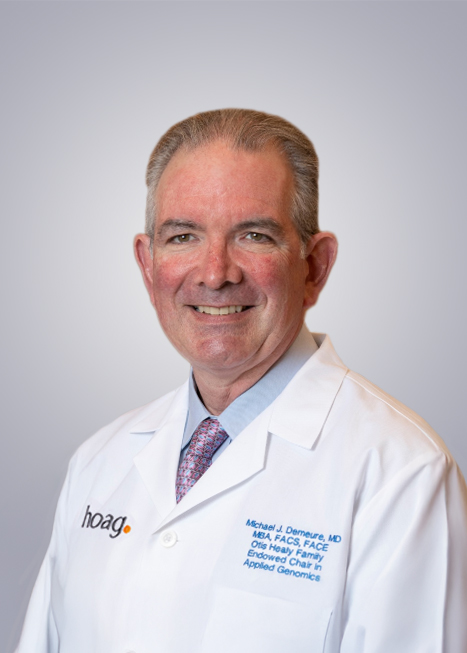
Program Director, Hoag Precision Medicine Program, Otis Healy Family Endowed Chair in Applied Genomics
Molecular Pathologist
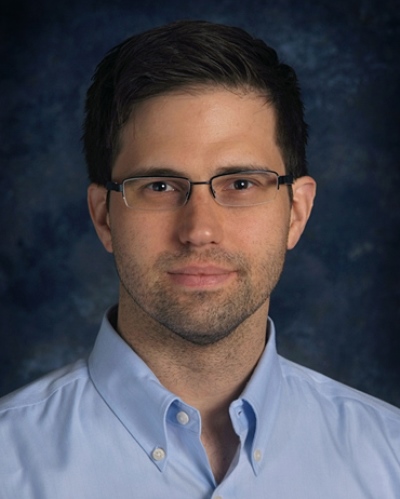
Medical Director, Hoag Molecular Pathology
Clinical Genomics Scientist/Educator
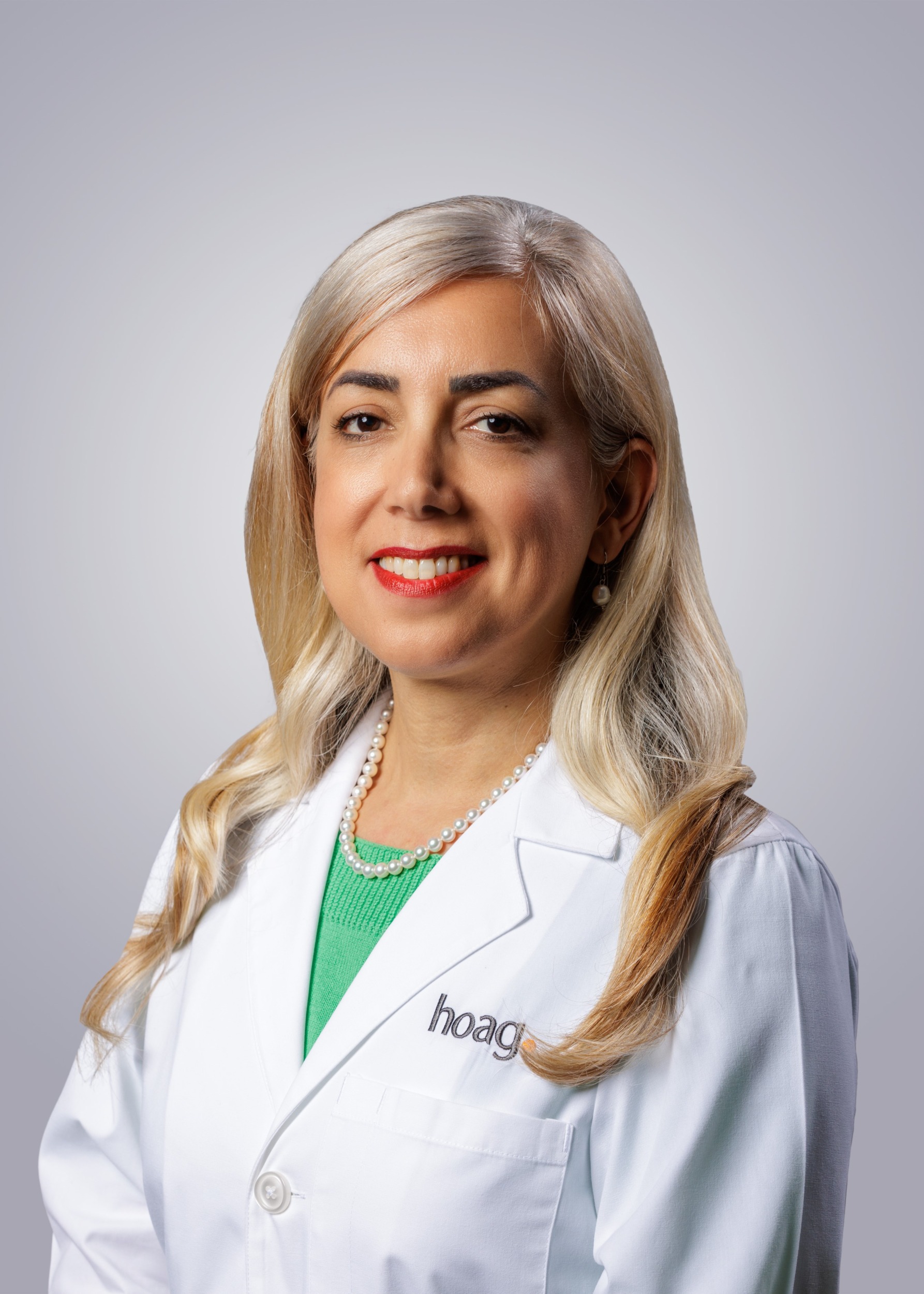
Director, Precision Oncology for Hoag’s Center for Applied Genomic Technologies
Translational Research Scientist
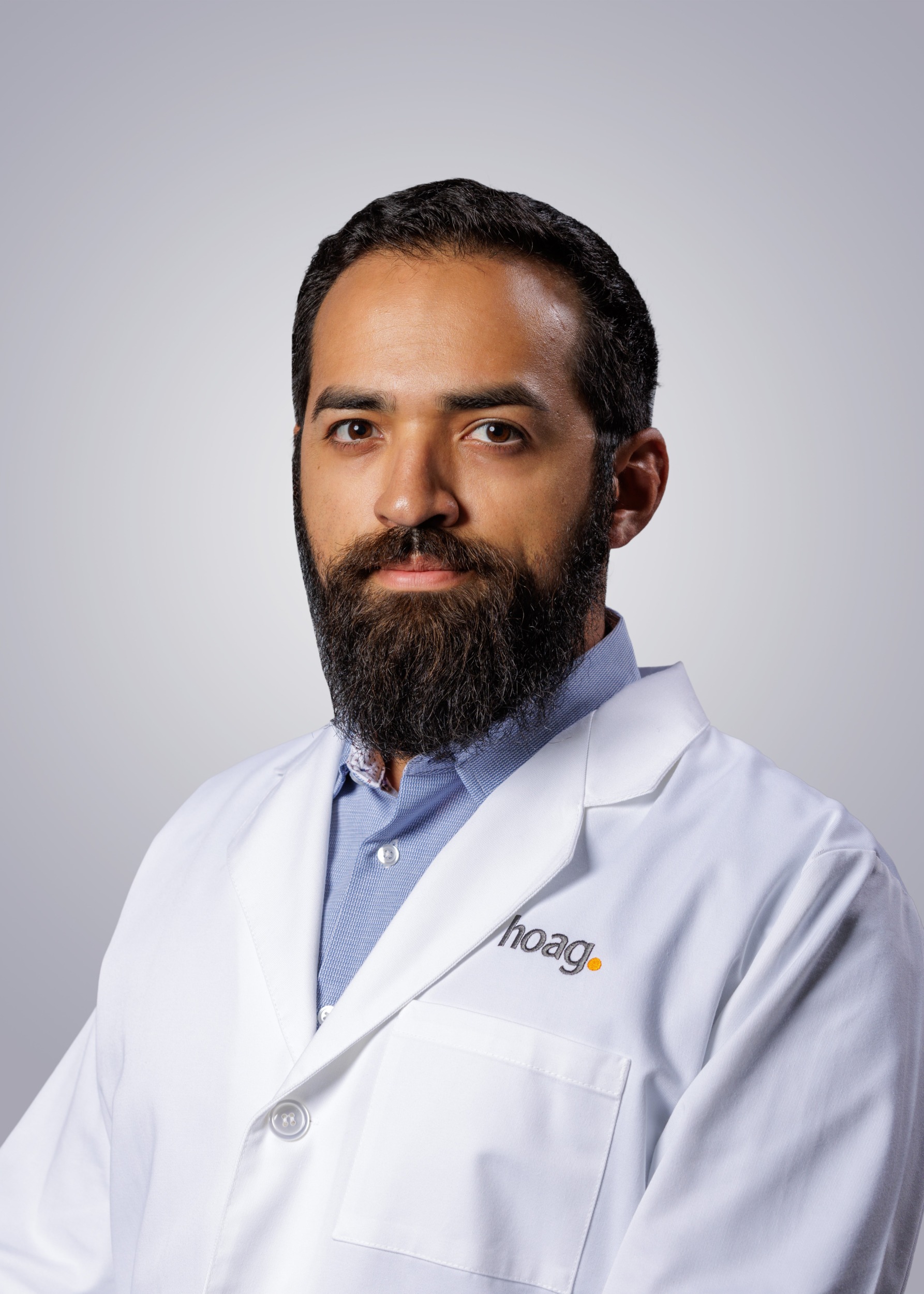
Translational Research Scientist
Licensed, Certified Genetic Counselors

Genetic Counselor

Genetic Counselor

Genetic Counselor

Genetic Counselor

Genetic Counselor
Coordinator
Precision Medicine at Hoag
Hoag’s Precision Medicine Program combines genomics and genetics to diagnose, treat, and prevent diseases. Using the latest advances in genomic technologies, targeted therapies and research, our precision medicine program brings together a multidisciplinary team, including a robust genetic counseling group of experts, to provide patients with the latest in innovation and technology.
Why is Hoag Different?
Multidisciplinary Team – Hoag offers a large multidisciplinary team led by a precision medicine expert all of whom are dedicated to the protocols, evaluation and education of precision medicine. The team includes a clinical genomic scientist, molecular pathologist, medical geneticist, genetic counselors, and precision medicine director.
Collaboration with Top Sequencing Facilities – Hoag partners with top laboratories to analyze tumors and sequence cancer genes.
Science-Based Decision Making – Hoag utilizes numerous technologies and databases to offer personalized information that leads to more targeted treatment and information to help Hoag physicians care for their patients.
High Risk & Early Detection Program – For patients at an increased risk of cancer or cancers associated with their gene mutation, Hoag offers numerous screening, active surveillance, and early detection programs.
Research – Whether it be one of the many available clinical trials at Hoag or elsewhere in the United States, Hoag’s Center for Applied Genomics searches for the most beneficial clinical trial to pair with Hoag patients.
Hoag Family Cancer Institute continually works to provide the very best care for our patients. Hoag’s Precision Medicine Program and its team of highly-regarded industry experts are a testament to that. No other hospital in Orange County provides this level of personalized cancer care. Hoag’s Precision Medicine team is here to support our oncology physicians and partners. If you are interested in access to this care, we encourage you to speak with your physician. Your oncologist, or referring physician, can work directly with Hoag's Precision Medicine team to review your case and discuss next steps.
High Risk Patients
While everyone is at some risk of developing cancer, some people’s risk is above average due to their inherited genetics. About 5-10% of cancers are hereditary. Hereditary, or germline, mutations are changes in DNA that can be passed down from one generation to the next. There are a number of inherited mutations that can predispose a person or family to hereditary cancers such as breast, prostate, colon, pancreas, ovarian, and others. Hoag’s Hereditary Cancer Program provides risk assessment counseling and genetic testing to individuals with a family and personal history of cancer.
Through Hoag’s Center for Applied Genomic Technologies, patients who are at increased cancer risk based on their genetic makeup may be referred to Hoag’s Hereditary Cancer Program or Hoag’s Prevention, High Risk & Early Detection Network for further evaluation and management or a tailored screening plan designed to detect their cancer at the earliest possible stage or prevent it altogether. Patients with inherited cancer risk may benefit from enrollment in one or more of Hoag Family Cancer Institute’s high risk cancer programs.
Some patients who have cancer and have already had their tumor profiled may need additional testing to determine if their cancer was caused by a hereditary mutation. Results of hereditary genetic testing could reveal if they are at an increased risk of cancer recurrence or at risk for developing certain other cancers. Additional testing could also provide doctors with information about genetic changes and mutations in unsuspected genes that could aid them in selecting the most effective treatment.
Applied Genomics at Hoag
Hoag Family Cancer Institute continually works to provide the very best care for our patients. Hoag’s Center for Applied Genomic Technologies and its team of highly-regarded industry experts are a testament to that. No other hospital in Orange County provides this level of personalized cancer care.
Hoag’s Center for Applied Genomic Technologies team is here to support our oncology physicians and partners. If you are interested in access to this care, we encourage you to speak with your physician. If deemed appropriate, your oncologist, or referring physician, will work directly with Hoag’s Applied Genomics team to review your case and discuss next steps.
Pharmacogenetics
Pharmacogenetics is an application of precision medicine that can be used to predict how an individual will respond to a drug based on his or her genetics. Every drug does not work for every patient, and some patients have adverse reactions to certain drugs. The use of pharmacogenetics allows clinicians to understand how a patient metabolizes drugs in order to prescribe the right medication at the right dose.
Hoag Pharmacogenetics Pilot Study
Pharmacogenetics is an emerging application within the field of Applied Genomic Technologies. Hoag Family Cancer Institute is bringing this new advancement to patients through a pilot study that incorporates pharmacogenetics into cancer treatment. Patients enrolled in the study provide a buccal swab, or saliva sample, to collect their DNA. The sample is then sent to a laboratory for genetic testing and analysis of the patient’s DNA in relation to pharmacologic compounds to understand how the patient metabolizes and responds to drugs. Doctors can then apply this information when selecting anti-cancer drugs so that the patient is prescribed a drug at the right dose that will produce the best response. The approach minimizes unwanted side effects and hospital visits due to adverse drug reactions.
Applied Genomics at Hoag
Hoag Family Cancer Institute continually works to provide the very best care for our patients. Hoag’s Center for Applied Genomic Technologies and its team of highly-regarded industry experts are a testament to that. No other hospital in Orange County provides this level of personalized cancer care.
Hoag’s Center for Applied Genomic Technologies team is here to support our oncology physicians and partners. If you are interested in access to this care, we encourage you to speak with your physician. If deemed appropriate, your oncologist, or referring physician, will work directly with Hoag’s Applied Genomics team to review your case and discuss next steps.
Research
Developments in precision medicine, genomics, and the understanding of the molecular characterization of cancer have launched a new era of cancer research and drug development. As the field of genomic technologies progress, Hoag will help lead the way.
Through research initiated at Hoag, as well as participation in clinical research studies with leading cancer centers and scientific researchers, Hoag is helping advance the field of precision medicine for the benefit of many. Clinical research and participation in registries help to standardize and collect outcomes data that can provide valuable information to other clinicians as well as build upon a body of evidence important for developing future treatments.
Hoag has initiated Precision Medicine research studies in the following areas:
Biomarker Research and Discovery
Whole-Body MRI Research Protocol for Patients with Germline TP53 Mutations
Precision Medicine Approach for Patients with Rare Cancers
Pharmacogenetics
Hoag collaborates with other leading institutions in Precision Medicine research in the following areas:
Circulating Tumor DNA in the Blood
Contributing to national registries with patients’ deidentified genomic information
Applied Genomics at Hoag
Hoag Family Cancer Institute continually works to provide the very best care for our patients. Hoag’s Center for Applied Genomic Technologies and its team of highly-regarded industry experts are a testament to that. No other hospital in Orange County provides this level of personalized cancer care.
Hoag’s Center for Applied Genomic Technologies team is here to support our oncology physicians and partners. If you are interested in access to this care, we encourage you to speak with your physician. If deemed appropriate, your oncologist, or referring physician, will work directly with Hoag’s Applied Genomics team to review your case and discuss next steps.
Tumor Profiling
Every patient’s cancer is unique. Understanding the genetic abnormalities or mutations in DNA sequencing of an individual patient’s tumor is the key to unlocking the treatment that will be most effective. Through Hoag’s Center for Applied Genomic Technologies, patients have access to comprehensive tumor profiling that can identify the changes in DNA, RNA, and protein expression in their cancer in order to provide doctors with the full picture. Armed with this information, Hoag’s oncologists can often select treatments that specifically target these changes.
How does Tumor Profiling Work?
A sample of the tumor is obtained through a biopsy and sent to a laboratory where it is tested for approximately 600 cancer-related genetic abnormalities using a DNA sequencing machine. Bioinformaticians then perform extensive analysis on large amounts of data gleaned from genomic analysis of the tumor. A detailed report is developed and shared with the patient’s physician team. The report could include information about relevant information on DNA, RNA, and protein expression changes identified in the patient’s tumor. This information could be used to select potential therapies that will target the abnormalities driving the growth of the patient’s cancer.
Hoag’s Center for Applied Genomic Technologies is committed to offer these advanced technologies to patients and partners with leading scientific laboratories that offer tumor profiling and germline testing.
Targeted Treatment
As researchers discover how genetic changes and mutations cause cancer, researchers also seek to develop new cancer drugs that target those specific changes. These are called targeted drugs, and offer the prospect of better efficacy and less toxic side-effects. Many targeted drugs have been approved by the FDA over the last several years. Other promising targeted therapies are currently being tested in clinical trials at Hoag. In some cases, drugs approved by the FDA for one type of cancer may target a genetic change observed in a different type of cancer and then can be applied as a targeted treatment.
Hoag’s medical oncologists are on the forefront of the use of targeted therapies in patient care. While many of these drugs are readily available, some targeted drugs currently being tested in clinical trials may be available through Hoag’s Cancer Research Program. See available trials.
Through collaborations with commercial and academic testing labs for precision medicine, Hoag has access to databases of thousands of tumor profiling and targeted treatment results from leading cancer centers and major academic research facilities, which can aid physician teams in selecting treatment for cancers with rare or uncommon genetic mutations.
Applied Genomics at Hoag
Hoag Family Cancer Institute continually works to provide the very best care for our patients. Hoag’s Center for Applied Genomic Technologies and its team of highly-regarded industry experts are a testament to that. No other hospital in Orange County provides this level of personalized cancer care.
Hoag’s Center for Applied Genomic Technologies team is here to support our oncology physicians and partners. If you are interested in access to this care, we encourage you to speak with your physician. If deemed appropriate, your oncologist, or referring physician, will work directly with Hoag’s Applied Genomics team to review your case and discuss next steps.
Glossary of Terms
DNA – A long chain of molecules that makes up the genetic code that determines the characteristics of all living.
Gene – Genes are made up of DNA and act as instructions for how cells function.
RNA –translates genetic information from DNA into proteins.
Proteins –are molecules composed of amino acids that allow the body to function properly.
Chromosome– A collection of genes. Every human has 23 chromosomes.
Genome – The complete set of (human) genes.
Genetics –refer to the inheritable differences in the DNA sequence within families.
Cancer Genomics – refers to how the DNA sequences in a cell cause cancer.
Cancer Biomarker – A molecule, gene, or protein found in blood or tissue that affect the behavior of cancer cells and how they might respond to treatment.
Gene Mutation – A change or defect in all or part of a gene. Gene mutations are the basis of many cancers.
Germline Mutation – A genetic mutation that is inherited. Also known as a hereditary mutation.
Tumor Profiling – A genomic analysis of a tumor using a DNA sequencing machine.
Stay up-to-date on the latest news from Hoag
By submitting this request, you agree to receive communications from Hoag and accept our Privacy Policy and Terms of Use.